Mushy Peas vs. Garden Peas: Which Side Dish Belongs with Fish and Chips?
Ask for fish and chips in much of northern England and there is a decent chance a scoop of pale, spoonable peas lands next to the battered fish. Ask for the same order elsewhere and you may get a bright heap of garden peas instead, still holding their shape. Neither is a mistake. They do different jobs on the plate, and the better question is not which one is correct but which one suits the fish, the weather, and how much time you have.
Two Peas, Two Very Different Starting Points
Despite sharing a name, these are not the same vegetable prepared two ways.
Mushy peas begin as dried marrowfat peas — large, wrinkled and pale — which are soaked overnight, usually with a little bicarbonate of soda, then simmered until they collapse into a thick, earthy purée. The tinned version is one of the great British cupboard shortcuts, and a decent one at that.
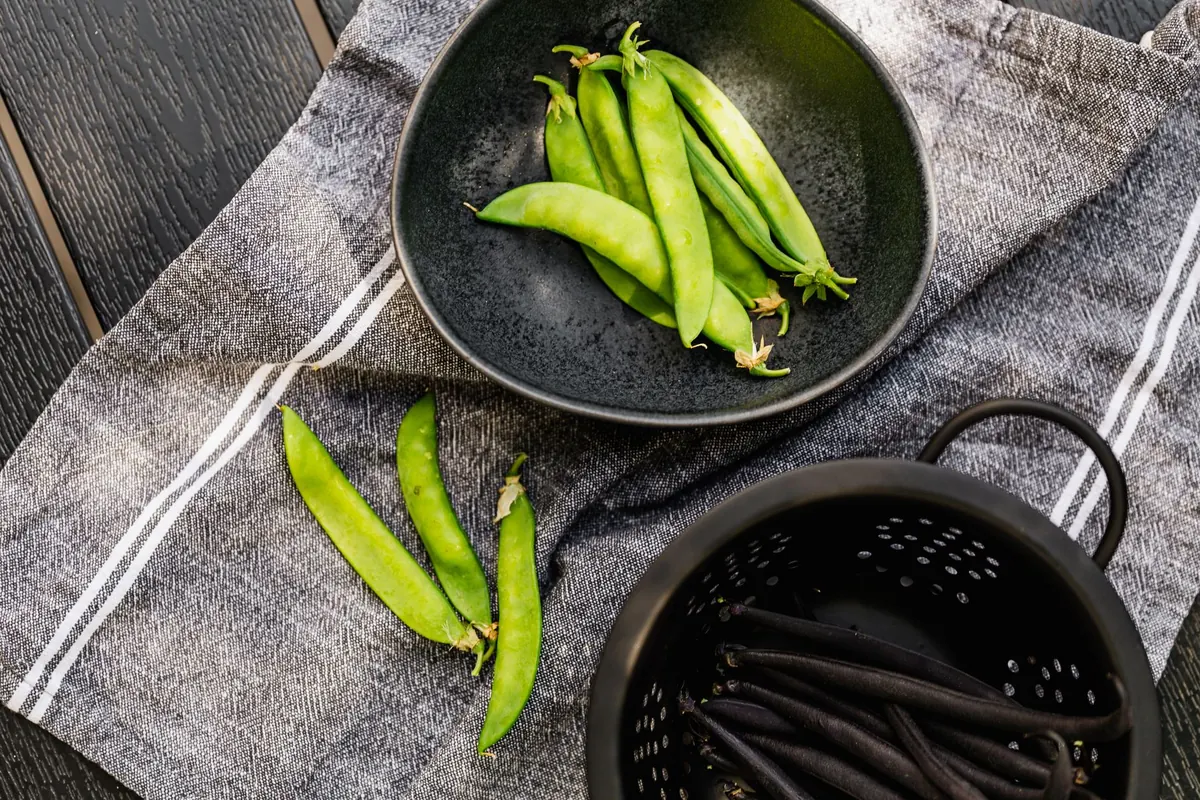
Garden peas are the fresh or frozen kind: small, round, sweet, cooked briefly and served while still bright. Petits pois are simply a smaller, sweeter type of the same thing.
There is a third pea you will meet on chip shop counters: the tinned processed pea, firmer and slightly yellow-green, sitting in brine. It is neither of the above, and it is usually the least interesting thing on the tray.
Flavour: Earthy Comfort Against Sweet Freshness
Mushy peas taste like a pea that has been cooked long enough to lose its shyness. The sweetness is still there, but it sits underneath something savoury and slightly grassy, with a mild bitterness at the edges. Salt, vinegar and a knob of butter push it further in that direction. A spoonful next to battered cod cuts through the fat in a way ketchup cannot.
Garden peas take the opposite approach. They are sweet, clean and green-tasting, and that freshness fades fast once they are cooked. Their job is contrast: something bright against fried food, a pop of colour against beige.
If you like the vinegary, savoury end of a chip shop plate, mushy peas will feel like the missing piece. If you find them heavy or a bit dull, garden peas are not a lesser choice. They are a different one.
Texture Matters More Than You Think
Battered fish is soft inside and crisp outside. Chips are crisp, then fluffy. What the plate lacks is something spoonable.
Mushy peas fill that gap. Good ones are thick enough to hold on a fork without running, with some whole peas left in for relief. Bad ones are either watery or gluey — the result of too much water, too little cooking, or an over-enthusiastic blender.
Garden peas bring the opposite texture: small bursts, a slight resistance, a clean finish. Overcooked, they go grey and mealy and whatever charm they had is gone. That is the whole risk with garden peas. They are only as good as the last two minutes of cooking.
What Tradition Actually Says
Tradition here is regional rather than absolute. Mushy peas are the classic partner to battered fish in the north of England, and they turn up just as often alongside a pie or a plate of chips and gravy. Garden peas belong to the pub table and the sit-down fish supper, and they are the safer bet in places where the fish is grilled rather than fried.
Plenty of chip shops offer both, and nobody will object if you order the pair. If you are cooking at home, tradition is a starting point, not a rule.
Making Mushy Peas at Home
Start with dried marrowfat peas if you can find them. The tinned version is a fine shortcut on a weeknight.
- Pick over and rinse 250g dried marrowfat peas.
- Soak overnight in plenty of cold water with 1 tsp bicarbonate of soda. The bicarb helps them soften; more is not better, and too much leaves a soapy edge.
- Drain and rinse thoroughly the next day.
- Simmer in fresh water, barely covering them, for 45 to 60 minutes until they collapse. Stir now and then so the base does not catch.
- Season with salt, white pepper, a knob of butter and a splash of malt vinegar or lemon juice. Chopped mint is optional and good.
- Crush with a potato masher rather than a blender. You want body, not paste.
For the tinned shortcut, warm the peas gently with butter, mint and lemon. Boiling them hard turns them to wallpaper paste.
Making Garden Peas Worth Eating
Garden peas need less cooking, not more technique. Frozen petits pois are often sweeter than fresh ones that have travelled.
- Boil or steam for 2 to 3 minutes only, then drain immediately. Do not leave them sitting in hot water.
- Dress them while hot: butter, salt, black pepper, a little lemon zest and mint if you have it.
- For a middle ground between the two sides, crush half the peas roughly with a fork and stir them back through the whole ones.
- For a smarter version, cook them with shredded little gem lettuce and a sliced spring onion in butter with a splash of water. The classic French treatment suits grilled fish beautifully.
Adding salt after cooking is the safer habit for larger or older peas, which can toughen in heavily salted water.
How to Choose Tonight
If you are frying battered fish at home, mushy peas will earn their place: earthy, spoonable, sharpened with vinegar or lemon. If the fish is grilled or poached and served with lemon and herbs, garden peas make more sense.
Beyond that, choose by mood. Cold evening, thick chips, plenty of vinegar: mushy peas. Warm evening, lighter plate, children at the table: garden peas. And if you cannot decide, serve both — one spoonful of each, side by side. It is your kitchen, and the fish does not mind.