London vs. Edinburgh Chip Shops: A Local Comparison of Prices, Portions, and Sauces
Two cities, one dish, and a genuine disagreement about how it should arrive. Ask for a fish supper in Edinburgh and you will be asked a question that would confuse most of London. Ask for the same thing in a London chippy and you may get a thinner fillet, a bigger bill, and a sachet of tartare instead of a bottle of sauce on the counter. Neither city is doing it wrong. They simply grew up with different fish, different habits, and different ideas about what belongs on the side.
The Menu: Cod, Haddock and the Meaning of "Supper"
Walk into a London chip shop and cod is usually the headline. Haddock is there, sometimes, but it plays second fiddle. Many London shops are generalists: doner, fried chicken, saveloys, pies, pickled eggs and onions, and a fridge of cans. In older East End shops you may still see jellied eels. It is a broad, adaptable menu built to serve a street that wants options at eleven at night.
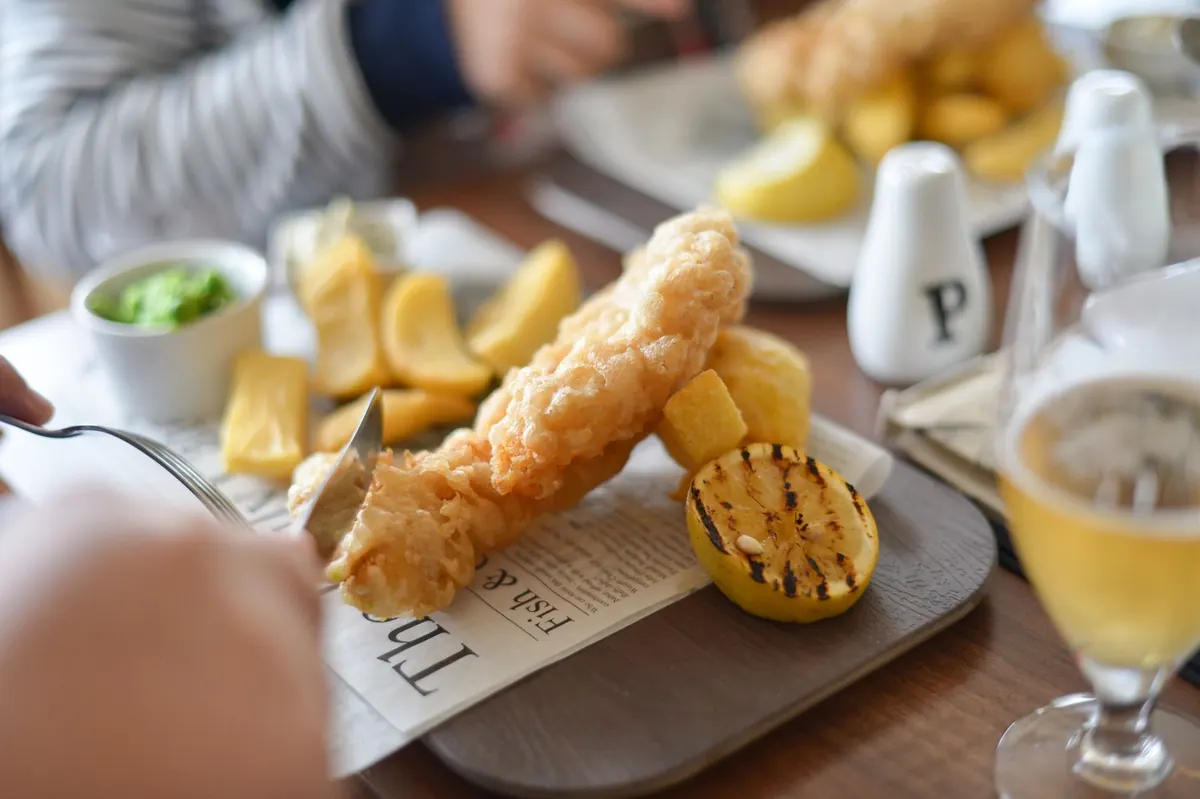
In Edinburgh, haddock often takes the top spot, and the menu is narrower but deeper in Scottish classics. Battered sausage, haggis supper, white pudding, red pudding, and the occasional pizza crunch all sit alongside the fish. The useful bit of vocabulary is "supper": a fish supper means fish plus chips, while a "single fish" is the fillet on its own.
Small differences that change the meal
- Batter. Scottish batter is often a touch thicker and craggier; London batter tends to be thinner and crisper. Both are ruined if the fish steams in a closed bag on the way home.
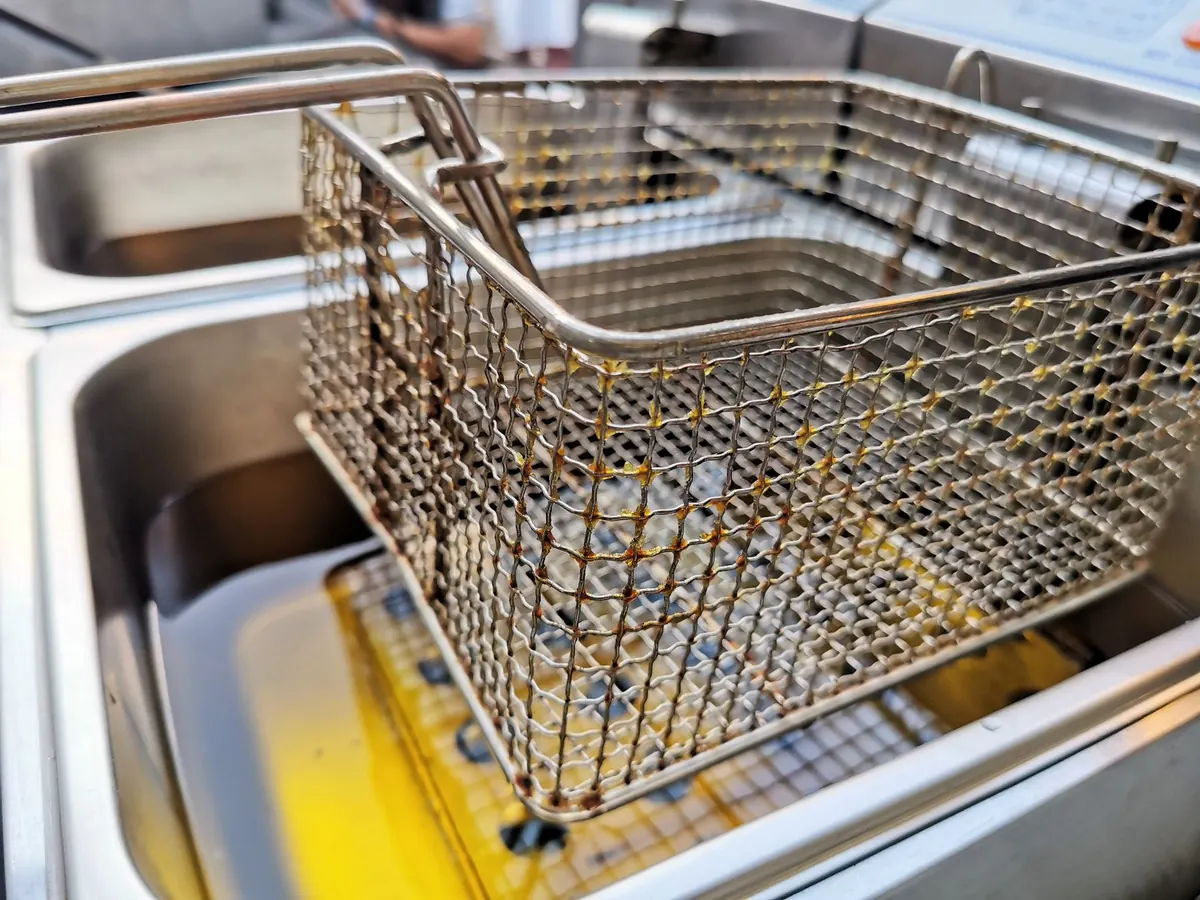
- Frying medium. Some shops still fry in beef dripping, others in vegetable oil. It changes the chips more than the fish. Ask if you care.
- Mushy peas. A fixture in many English shops, patchier north of the border.
- Tartare sauce. Standard in London, less automatic in Edinburgh, where the counter sauce bottles do the work.
The Sauce Question: Salt and Sauce vs Salt and Vinegar
This is the cleanest dividing line between the two cities. In London, the question is "salt and vinegar?" and the answer is usually yes to both. Ketchup, mayonnaise and curry sauce are extras, often in sachets, sometimes charged for.
In Edinburgh, the question is different. Salt and sauce is the local default: salt plus a thin, vinegary brown sauce poured over the whole lot. Ask for salt and vinegar instead if that is what you want, but expect a look. Brown sauce on the side is common, and curry sauce is popular too — the recipe swings wildly from shop to shop, some thin and turmeric-yellow, others dark and closer to a Chinese takeaway curry.
If you are visiting and unsure, ask for salt and sauce on the fish and a sachet of vinegar on the side. You get both, and nobody can accuse you of anything.
Prices: Where the Money Actually Goes
London chip shops generally charge more for the same order than Edinburgh ones, and central London more than the outer boroughs. The gap is usually noticeable on the receipt rather than trivial, which is why a family order in Zone 1 can start to feel like a small restaurant bill. Rent, rates, footfall and staffing all push London prices up. A shop on a quiet residential street in Edinburgh can run a leaner operation and still fill the fryer every evening.
Several things move the number on the board:
- Fish choice, and whether it is fried to order or sitting under the lamp
- Whether chips are included or priced separately
- Frying medium, which some shops charge a premium for
- Extras: peas, sauce, bread and butter, cans
- Postcode and time of day
The most useful habit in either city is to read the board before you order. Ask what a single fish costs, then what chips cost on their own. Sometimes a supper is the better deal; sometimes two singles and one chips is cheaper for a group. It takes ten seconds and it is almost never rude.
Portions: The Generosity Gap
Scottish chip shops are, in general, more generous. A single fish supper in Edinburgh can be a serious meal, and the chips are often enough to share. London portions vary enormously — a smart chippy in a tourist area may serve a modest fillet with a modest pile of chips, while a suburban shop may pile them to the top of the paper.
Two practical notes. First, if you want a manageable portion, ask for a single fish and a small chips; most shops will oblige without fuss. Second, eat it fast. Chips go from crisp to soggy in roughly the time it takes to walk to the bus stop, and no city's version survives twenty minutes in a closed bag. If you live far away, ask them to leave the bag open.
How to Order in Each City
- Choose the fish first. Cod in London, haddock in Edinburgh, whichever you actually prefer anywhere.
- Say "supper" only if you want chips included. "Single fish" means fish alone.
- In Edinburgh, expect "salt and sauce?" In London, expect "salt and vinegar?"
- Ask for sauce on the side if you want to control it. Bottled sauce poured at the counter usually beats a sachet.
- Ask about scraps or batter bits. Some shops give them free, some charge a little, some do not offer them.
- Avoid the Friday evening and post-pub rush. At peak times, phone ahead and give your name.
A Practical Verdict
Edinburgh takes it on portions and on the ritual of salt and sauce. London takes it on choice and on sheer availability — there is almost always one open, and the best suburban shops beat anything within sight of a station. On value, both cities reward the same behaviour: go to a neighbourhood shop rather than a tourist-facing one, look for a queue of people who plainly live nearby, order fish rather than a pile of fried extras, and eat standing up outside.
Where you land on the price difference will depend on the postcode. The sauce question, though, is settled. In Edinburgh, not asking for salt and sauce means missing the point of the place. In London, ask for vinegar and use it. Both cities will forgive almost anything except a soggy chip.
Photo: UMUT 🆁🅰🆆 / Pexels