A Beginner's Guide to British Chip Shop Menu Terms: Scraps, Spam Fritters, and More
You have queued for ten minutes, reached the counter, and now a board full of unfamiliar words is staring back at you. Scraps. Saveloy. Pea wet. The person behind you is sighing. A British chip shop is one of the easiest places in the world to eat well, but only if you know what you are asking for. Here is the vocabulary, region by region, plus a few tips that will get you served quickly and fed properly.
Start Here: Chips Are Not Fries
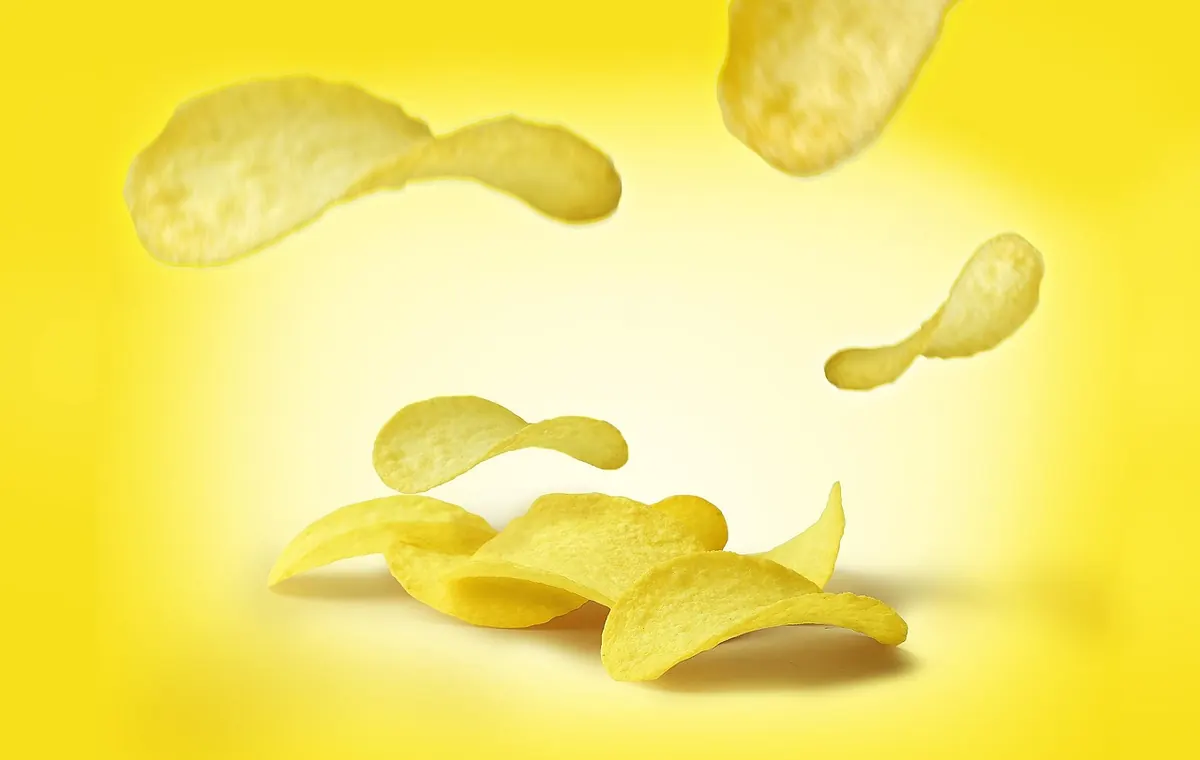
In a chippy, "chips" means thick-cut potatoes, usually cooked twice so the outside crisps and the inside stays fluffy. If you order "fries" you may get a puzzled look. Ask for "a portion of chips" and you will be understood everywhere.
Two words unlock most menus. In Scotland and parts of northern England, a single is one portion of chips on its own, while a supper means chips plus something else. A "fish supper" is fish and chips. A "sausage supper" is a battered sausage and chips. You can also order a "single fish" if you want the fish without the chips.
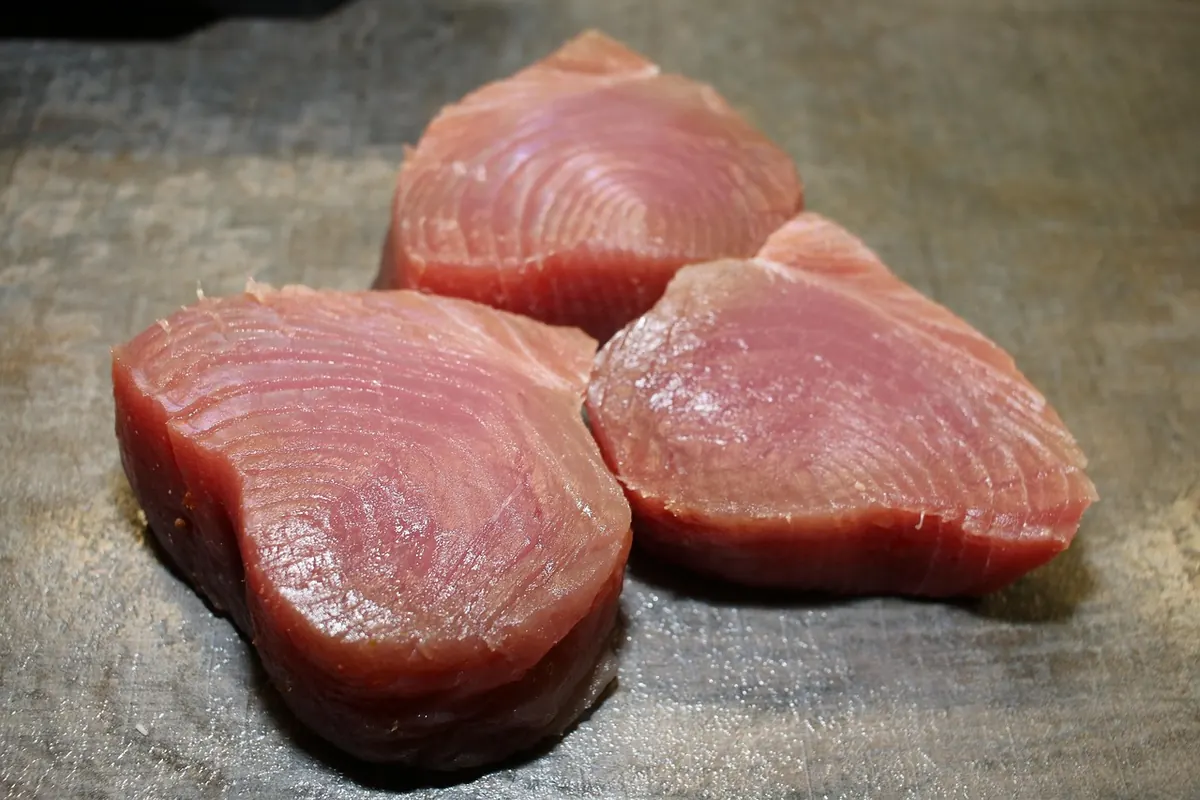
On fish: cod and haddock are the two standards, with haddock more common in Scotland and the north east. You will also see plaice, hake, pollock, skate and, especially around London and the south east, rock salmon, which is a dogfish and not a salmon at all.
Scraps and Other Free Bits
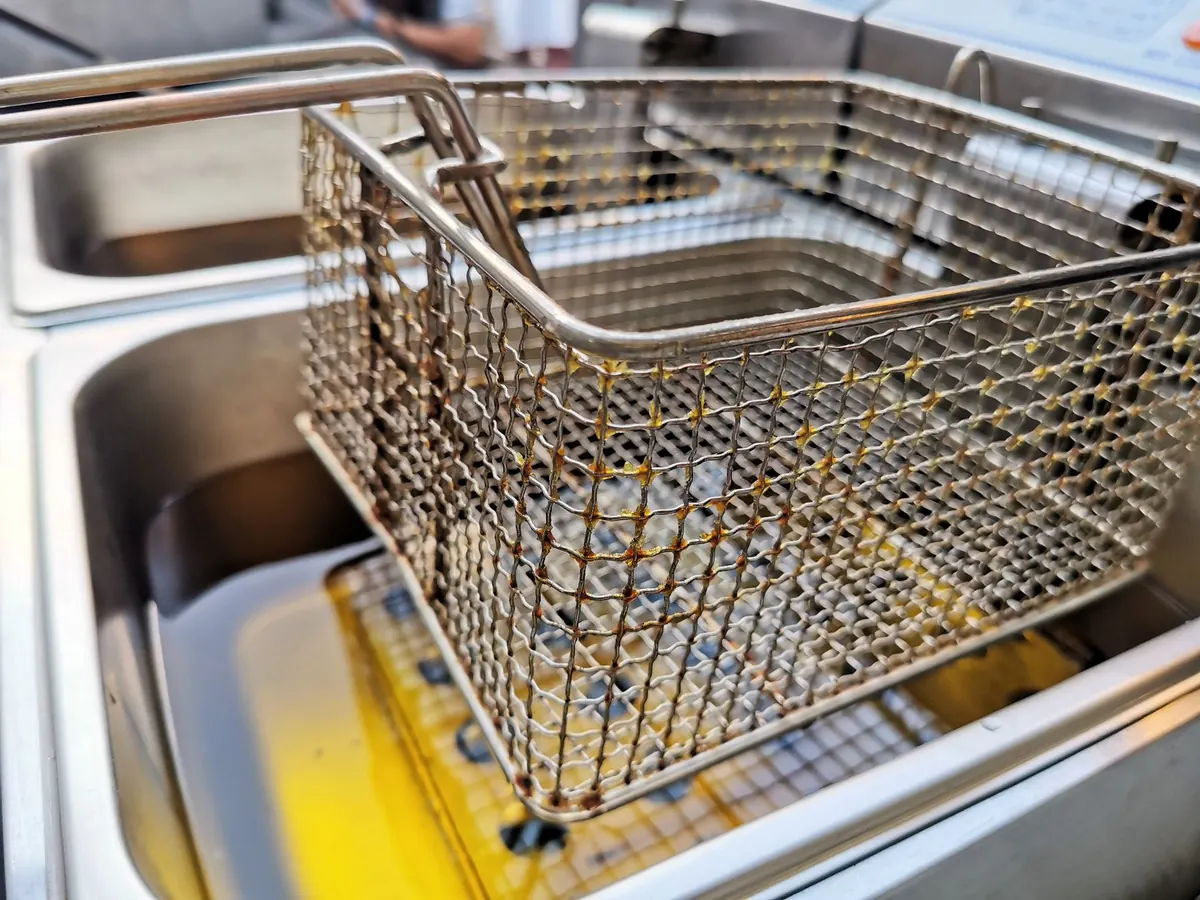
Scraps are the crunchy shards of batter that break off in the fryer and get scooped out with a slotted spoon. They are the best thing on the menu and often not on the menu at all. Ask "any scraps?" and you will either get a handful tossed over your chips for nothing or be charged a small amount, depending on the shop and how busy they are.
The name changes as you travel. Scraps in Liverpool and much of the north, bits in some areas, batter bits elsewhere. Do not confuse them with pork scratchings, which are a pub snack made from pig skin and belong to a different world entirely.
The Battered Menu: Sausages, Saveloys and Spam Fritters
- Battered sausage — a standard pork sausage in batter. Reliable, cheap, and the default choice when you cannot face fish.
- Saveloy — a bright pink, heavily seasoned cured sausage, usually served skinless and often not battered. Common in London and the south east.
- Spam fritter — a thick slice of Spam dipped in batter and fried. A survivor from leaner decades, still found in the north and the Midlands.
- Fish cake — mashed potato and fish, battered. Different from the breadcrumbed version in supermarkets.
- Roe — fish eggs in batter. Soft roe is creamy, hard roe is firmer and comes in a distinct lobe.
Puddings, Patties and Regional Specials
Pudding in a chip shop rarely means dessert. Black pudding is a blood sausage, sliced thick and usually battered. White pudding is an oatmeal-based cousin. In Scotland you may also meet red pudding, a reddish, spiced, sausage-shaped affair that is almost always battered.
In Hull, ask for a pattie: a battered, deep-fried patty of mashed potato seasoned with sage, traditionally eaten with chips and a dusting of chip spice, a red paprika-based seasoning that locals treat as essential.
Then there is the scallop, which is a trap for visitors. In parts of northern England and the Midlands a scallop is a thick slice of potato, battered and fried. In Scotland and along the coast, a scallop is the shellfish. If you are unsure, ask.
Bread, Butties and What to Call the Roll
Nowhere in Britain agrees on the name of a bread roll, and chip shops are where this gets serious. A chip butty is chips in buttered bread, and it goes by many names: chip barm in the north west, chip cob in the Midlands, chip bun in parts of the south, and a chip stottie in Newcastle, where the stottie is a large, flat, floury roll.
The roll itself might be a barm, bap, cob, batch, teacake or breadcake depending on where you are standing. Just point at what you want and say "chips in one of those, buttered" and nobody will judge you. Add a pickled onion, a pickled egg from the jar on the counter, or a wally, which is London slang for a pickled gherkin.
Peas, Gravy, Curry Sauce and the Salt Question
Mushy peas are marrowfat peas cooked down until soft, sometimes with mint or a little sugar. Garden peas are just ordinary peas, and asking for the wrong one is a genuine disappointment. In Wigan and parts of Lancashire, ask for pea wet and you will get the liquid from the mushy peas poured over your chips.
Sauce is regional too. Chips and gravy are normal in the north of England, Scotland and Wales. Curry sauce, usually a mild Chinese-style sauce, is a chip shop staple in much of the north and the Midlands. In Edinburgh, ask for salt and sauce and you will get a thin brown sauce mixed with vinegar, which is not the same as the salt and vinegar everywhere else.
The most important question at the counter is the last one: "Salt and vinegar?" Say yes, say no, or specify. It goes on before wrapping, and adding it yourself afterwards is a poor substitute.
How to Order Without Panicking
- Read the board before you reach the front. Menus are usually above the fryers, and the queue moves faster than you think.
- Say the food first, then "and chips" or "supper". "One haddock supper and a battered sausage, please" is a complete, fluent order.
- Answer the salt and vinegar question clearly. Mention scraps now if you want them.
- Say "open" if you are eating straight away, so it is not steamed inside the paper, or "wrapped" to take it home.
- Ask for sauces on the side if you are travelling, so nothing goes soggy.
One practical note worth taking seriously: if you have allergies or avoid certain ingredients, ask before ordering. Many shops fry in beef dripping while others use vegetable oil, batter contains flour, and fryers are usually shared between fish, shellfish and everything else. Staff are used to these questions and would much rather answer them than guess.
Go early or after the teatime rush if you want a quiet word with the person serving. And when in doubt, order the scraps. They cost almost nothing, and they tell you more about a chip shop than anything else on the board.
Photo: Fotorech / Pixabay